


Planet We Protect
At Insmed, we believe that protecting the environment is vital to protecting human health. As we work to transform patients’ lives, we remain committed to responsibly stewarding natural resources for current and future generations.



Reducing our footprint
We are committed to quantifying and reporting our carbon emissions across our value chain and identifying opportunities to decarbonize our operations. To do this, we follow the World Resources Institute’s GHG Protocol to measure our emissions footprint — helping us pinpoint sources, prioritize reductions, and track progress.
Our Scope 1 and Scope 2 GHG emissions receive limited assurance by an independent third party.
Carbon Footprint (2025)
| Scope 1 | 2,622 mtCo2e |
|---|---|
| Scope 2, location-based | 2,264 mtCo2e |
| Scope 2, market-based | 2,069 mtCo2e |
We are also committed to improving transparency on relevant climate-related risks and opportunities. Refer to Insmed’s Task force on Climate-Related Financial Disclosure (TCFD) to learn more.
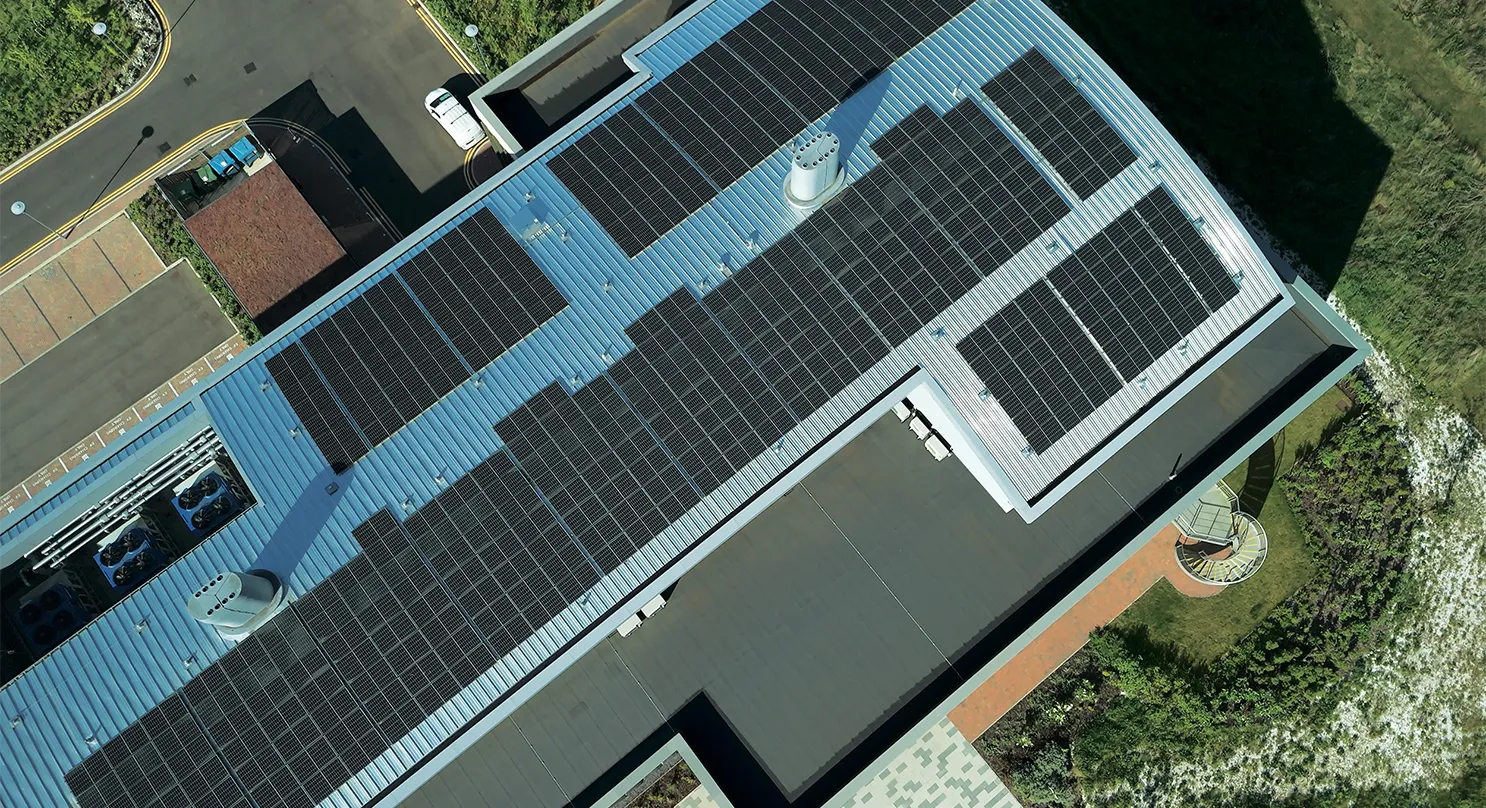
As part of our commitment to reducing carbon emissions, we evaluate our energy use, energy intensity, and energy sources. We aim to improve energy efficiency across our operations and, where feasible, to source electricity from renewable and zero-carbon sources.
Energy Use (2025)
Total electricity use
5,626 MWh
Electricity from renewables
19%

Using water thoughtfully & efficiently
We are focused on efficient use of water in our direct operations and minimizing our facilities’ impact on water resources. Our water use primarily stems from office and research activities. Insmed’s water is supplied by local municipal utilities.
Water Use (2025)
Total operational water withdrawals
1.5 million gallons
Water withdrawals from regionals of low to medium-high water stress
77%

Responsibly managing waste & materials
Insmed is committed to reducing and eliminating toxic and hazardous emissions, releases, and waste across our operations. Our Safety Manual includes green chemistry principles — actively working to reduce or where possible eliminate toxic and hazardous substances from our laboratory operations. We comply with all applicable laws governing the handling, use, storage, treatment, and disposal of hazardous materials, and our Safety Committee conducts regular internal audits to ensure we stay on track.
Our U.S. research sites follow OSHA’s HAZWOPER Research and Development guidelines, while our Cambridge, UK, site aligns with the Control of Substances Hazardous to Health (COSHH) Regulations. An independent third-party specialist audits our hazardous waste program annually.
Total Waste Generation (metric tonnes) (2025)
| Non-hazardous waste | 1.74 |
|---|---|
| Hazardous waste | 11.03 |
| Regulated medical waste | 4.2 |
Thoughtful material management is central to minimizing our environmental footprint. We are committed to reducing waste and making it easier for our teams to recycle, repurpose, and responsibly dispose of materials across all our sites.
Some key initiatives include:
Food waste donation with Share My Meals
We reduce waste from events by donating excess food — providing meals to those who need it, reducing food waste, and avoiding greenhouse gas emissions.
Electronics repurposing or recycling
We are focused on responsible electronic waste management and partner with a third party to recycle or repurpose electronic waste, keeping valuable materials in use longer.
Packaging design and takeback
Insmed balances environmental responsibility with patient needs — minimizing material use without compromising functionality. Where packaging cannot be eliminated, we use takeback programs to reduce waste and enable reuse. For example, for one of our marketed products, patients receive prepaid return labels for coolers and secondary packaging, and we partner with a third-party vendor to reuse and recycle materials.
Next section
 Your Privacy Choices